%20(1).avif)
.avif)

.svg)
.svg)
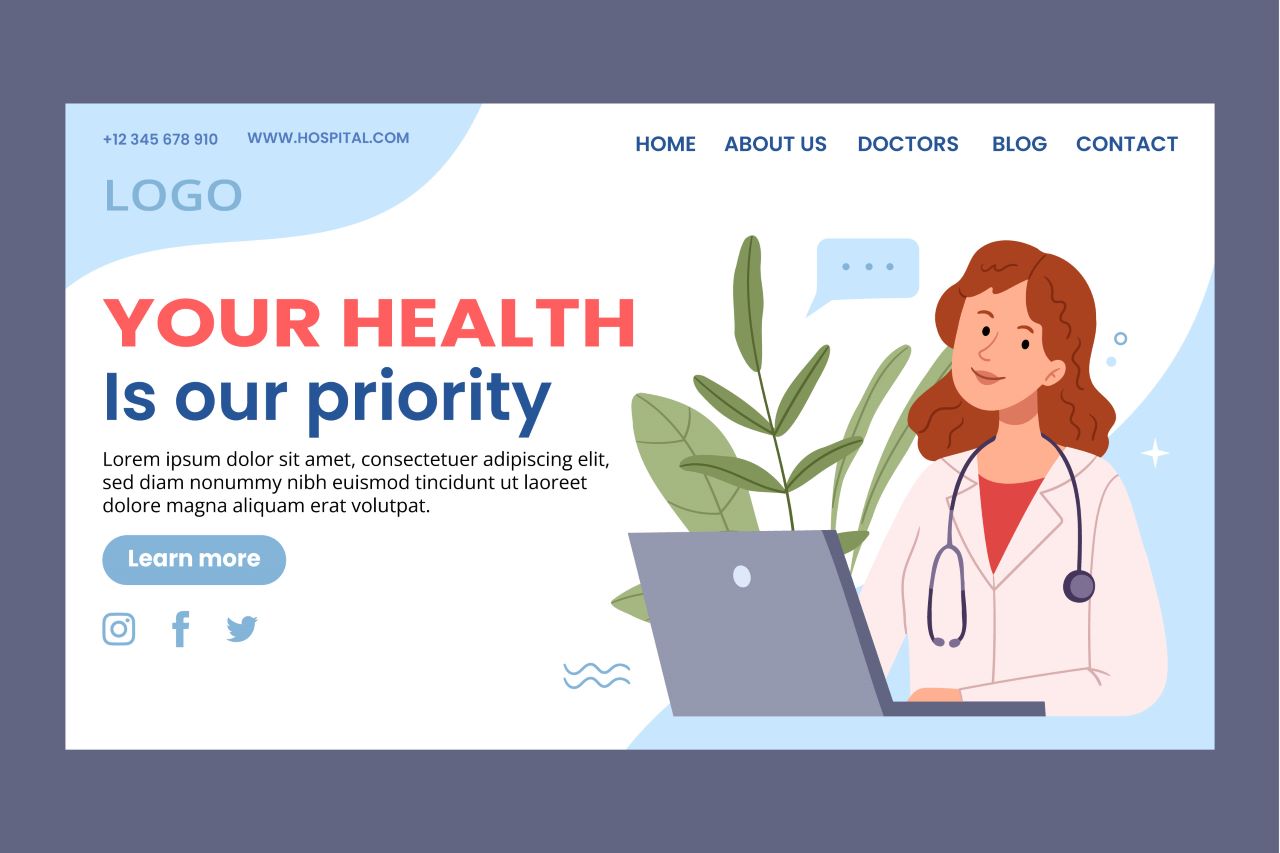
A GP clinic website is one of the most important touchpoints in a patient’s decision-making journey. In many cases, it determines whether someone books an appointment or continues searching for another clinic nearby. This is why GP clinic website design must be approached with strategic intent rather than aesthetics alone.
High-performing GP clinic websites consistently support patient growth, strengthen trust and align closely with broader healthcare strategies, such as the approach reflected on the Practice Boost homepage.
Why Website Design Directly Impacts Patient Growth
Patients visiting a GP clinic website usually have a clear purpose. They may want to book an appointment, understand available services, check fees or learn about the doctors at the clinic. If the website is slow, unclear or difficult to navigate, frustration sets in and patients leave.
In contrast, a well-designed GP clinic website:
- builds trust early
- reduces unnecessary phone calls
- encourages online bookings
- improves visibility in Google search
The connection between website performance and patient growth is well-established and aligns with strategies described in How to Attract More Patients With SEO.
Clear Website Structure That Matches Patient Behaviour
A common issue with underperforming GP clinic websites is confusing navigation. Patients should be able to locate essential information within seconds.
High-performing GP clinic websites follow a simple, patient-friendly structure:
- a clear homepage that explains who the clinic helps
- dedicated service pages
- consistent navigation across all devices
- easy access to booking and contact details
This structured approach mirrors the principles outlined in the Medical Website Design Guide for 2026.
Homepage Design That Builds Trust Immediately
The homepage serves as the digital front door of the clinic. Within a few seconds, patients form an impression about the clinic’s professionalism, relevance and reliability.
Effective GP clinic homepages typically include:
- a concise positioning statement
- prominent appointment booking buttons
- practitioner qualifications or credentials
- clear location and contact details
These elements support broader growth strategies such as those discussed in the GP Clinic Marketing 2026 Guide.
Service Pages That Improve SEO and Patient Understanding
Many GP clinic websites combine all services onto a single page. This limits both patient clarity and the clinic’s ability to rank well in local search results.
Dedicated service pages:
- help patients understand what each service involves
- answer common questions
- increase relevance for key search terms
- build confidence before booking
This content structure works effectively with broader SEO strategies, including those explained in the SEO for Doctors guide.
Doctor Profiles That Strengthen Trust and Personal Connection
Patients often choose a clinic based on the practitioners who work there. A well written doctor profile can strongly influence a patient’s booking decision.
Effective profiles include:
- warm, professional photos
- qualifications and areas of interest
- a brief description of clinical focus
- clear booking pathways
These elements complement the broader positioning strategies used in GP Doctor Marketing.
Fast Load Speed and High Mobile Performance
Patients expect medical websites to load quickly and function smoothly, especially on mobile devices. A slow website not only damages patient experience but also affects search rankings and enquiry volume.
Technical performance is a core component of modern medical website design, which is why it is addressed comprehensively across the Medical Website Design services offered by Practice Boost.
Simple, Frictionless Online Booking Pathways
Online bookings are one of the most important conversion points on a GP clinic website. When booking buttons are difficult to find or the process involves too many steps, potential patients are far more likely to abandon the process.
High-performing clinic websites ensure:
- booking buttons are clearly visible on all key pages
- the booking process requires minimal steps
- booking systems are mobile-friendly
This is particularly important for clinics operating in competitive metropolitan areas, where ease of access directly affects patient choice.
Local SEO Signals Embedded Into the Website
Local visibility is critical for GP clinics. Website design should naturally support suburb-level SEO, which plays a major role in determining whether the clinic appears for high-intent local searches.
Important elements include:
- consistent clinic name, address and phone number
- embedded maps
- suburb-specific content
- structured service information
These local signals work in unison with the broader strategies outlined in Medical Marketing.
Compliance-Safe Content That Remains Engaging
GP clinic websites must follow AHPRA advertising guidelines. However, compliance does not mean content has to be dull or unhelpful.
High-performing websites deliver educational, factual and easy-to-understand information without exaggeration or implied outcomes. This balanced approach aligns with the content principles used across Practice Boost’s Content Development offerings.
Conversion-Focused Design That Supports Patient Decision-Making
Healthcare marketing should never feel sales-driven. Instead, GP clinic websites should guide patients toward the next step in a natural and supportive way.
Conversion-focused design includes:
- clear calls to action
- intuitive page layouts
- strategically placed trust signals
These elements reinforce the patient-first philosophy embedded throughout Practice Boost’s Medical Marketing methodology.
How a Strong Website Supports Wider Clinic Growth
A GP clinic website plays a central role in almost every growth channel. It strengthens the performance of SEO, Google Ads, social media and community engagement.
Case studies such as the Website Design for Medical Group demonstrate how a well-structured website contributes to clinic growth by improving patient experience, enquiry volume and brand perception.
Why GP Clinic Websites Need Continuous Review and Improvement
Patient expectations change quickly. Device behaviour, search trends and industry guidelines also evolve. A website that once performed well may now limit growth if it has not been reviewed for several years.
Regular website audits allow clinics to:
- identify friction points
- update content
- improve speed and accessibility
- remain competitive in their local area
Sydney and Melbourne clinics, in particular, benefit from ongoing updates due to high competition and fast-changing patient behaviour.
What This Means for GP Clinic Website Success in 2026
Successful GP clinic websites are built on clarity, trust, usability and speed. When these elements come together, the website becomes a powerful driver of patient growth and supports every part of a clinic’s marketing strategy. When they are missing, even well-funded campaigns struggle to deliver meaningful improvements.
By combining patient-focused design, structured service information, strong practitioner profiles and strategic SEO, clinics can create a website that performs reliably in 2026 and beyond.

.svg)