%20(1).avif)
.avif)

.svg)
.svg)
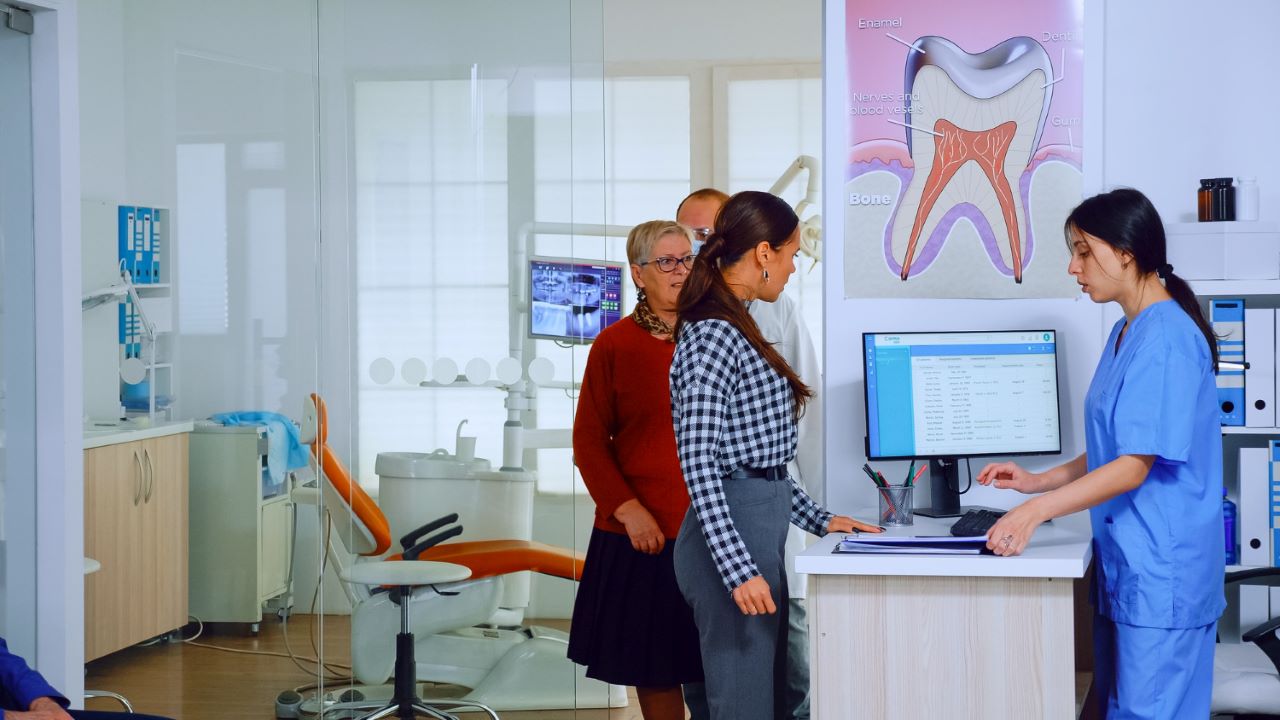
2026 is shaping up to be a defining year for Australian dental practices. Rising competition from corporate groups, cost-of-living pressures, changes in patient expectations and the rapid evolution of digital marketing are all converging at once.
The challenge is no longer just “getting your name out there”. It is about becoming the obvious choice for the right patients in your local area, then turning every interaction into a long-term relationship.
In our broader 2026 outlook for healthcare providers, we explored how government reforms and patient expectations are reshaping general practice and dental marketing. This article takes that thinking deeper for dentists only; unpacking what it will take for a dental clinic to grow sustainably in 2026.
Throughout this guide, we will look at how dental practices can:
- Build a strong digital foundation that consistently generates new patient enquiries
- Differentiate clearly in a crowded local market without breaching AHPRA guidelines
- Use SEO, Google Ads, social media and automation together, not in silos
- Improve patient experience, retention and recall, so growth is not just “new patient dependent”
If you want strategic, done-with-you support, our team at Practice Boost partners with dental clinics across Australia to design and implement integrated growth plans.
The New Reality For Dental Patients In 2026
Dental demand has not disappeared, but the way people choose a dentist has changed.
Patients in 2026 typically:
- Research more, book faster. They will compare multiple clinics online, read reviews, check social media and then book digitally, often from a mobile device.
- Balance cost with perceived value. Cost-of-living pressures matter, but people will still pay for care they trust, especially for cosmetic, restorative and family dentistry.
- Expect clarity and transparency. Clear information about services, approximate fees or payment options, parking, opening hours and what to expect at the appointment.
- Value comfort and communication. Anxiety, time pressure and previous bad experiences shape decisions. Clinics that clearly communicate a gentle, respectful approach stand out.
For dental practices, that means growth depends on:
- Being visible where patients search
- Being compelling when they compare options
- Being reliable and reassuring once they enquire and visit
Understanding Your Competitive Landscape
In most Australian suburbs, dental patients can choose between:
- Corporate or group dental chains
- Independent owner-operated clinics
- Niche cosmetic or implant-focused practices
- Clinics co-located with medical centres or shopping centres
Each has different strengths. Corporates often compete on brand presence and offers. Independents frequently win on continuity, personal relationships and community reputation.
To maximise patient numbers in 2026, you need a clear answer to:
- Who are we best suited to treat? (Families, professionals, older adults, cosmetic patients, emergency cases, or a mix)
- What do we want to be known for locally? (Family-friendly care, cosmetic makeovers, complex restorative dentistry, implants, fast access, gentle care for anxious patients, etc.)
- How do we demonstrate that difference online in a compliant way?
Your positioning will guide every part of your marketing. This includes website content, local SEO, Google Ads, social media and in-practice experience.
If you need help clarifying this, our dedicated marketing for dentists service is built specifically around the realities of Australian dental clinics.
Build A High-Converting Digital Foundation
Before scaling traffic, it is crucial that your digital “shopfronts” are set up to convert visitors into appointments.
Website: Make It Easy To Choose You And Book
Your dental website should not be a digital brochure. It should be a patient-centred, conversion-focused asset that answers key questions and makes booking effortless.
Key elements for 2026:
- Clear value proposition above the fold: Who you are, where you are, what you do best and how you help, all in plain language.
- Fast, mobile-first design: Pages must load quickly on mobile. A slow site means lost patients and weaker SEO.
- Prominent calls to action (CTAs): “Book online”, “Call now”, “Request an appointment”, always visible without scrolling and repeated throughout.
- Service pages for your priority treatments: Separate pages for general dentistry, cosmetic dentistry, dental implants, orthodontics, veneers, teeth whitening, children’s dentistry and emergencies, depending on what you offer.
- Location and contact clarity: Embedded map, parking information, public transport options, accessible entrance details and clear opening hours.
- Trust signals: Team photos, clinician bios with qualifications, practice photos and information about your approach to care, all presented in an AHPRA-compliant way.
If your website needs a full overhaul, our dental website design and medical and dental website design services focus on building conversion-driven, compliant sites that reflect your brand.
Local SEO: Own Your Suburb For High-Intent Searches
In dentistry, most patients search within a relatively tight radius of home or work. Local SEO remains one of the most powerful channels for attracting new patients.
In 2026, your local SEO strategy should cover:
1. Service + Suburb Pages
Create high-quality pages that target combinations such as:
- “family dentist [suburb]”
- “teeth whitening [suburb]”
- “dental implants [suburb]”
- “emergency dentist [suburb]”
Each page should:
- Explain the service in patient-friendly language
- Outline who it is suitable for and what to expect
- Address common questions and practical considerations
- Include clear CTAs to call or book online
Our dedicated dental SEO and broader dental and medical SEO are designed exactly around this model, building service and suburb clusters that increase visibility across your catchment area.
2. Google Business Profile Optimisation
Your Google Business Profile (GBP) is often the very first impression a patient gets.
Core actions:
- Ensure your name, address, phone and website (NAPW) details are correct and consistent everywhere.
- Add accurate categories.
- Upload professional photos of the exterior, reception, treatment rooms and team.
- Use the “Services” and “Description” fields to outline what you do in clear, compliant language.
- Post regular updates, including hours, announcements, educational posts and community involvement.
3. Reviews And Reputation
A strong review profile is essential to standing out on maps and building trust.
In 2026, aim for:
- A steady stream of new reviews rather than occasional spikes.
- Reviews that mention themes such as communication, gentleness, clarity of explanations, cleanliness and how staff made patients feel.
- Timely, professional responses that respect privacy and AHPRA rules.
Our case studies like Boosting Dental Implant Patient Numbers and Dental Clinic Grows Patient Numbers by 50% show how coordinated SEO and reputation management can directly drive new patient growth.
Google Ads: Capture High-Intent Dental Searches
While SEO builds long-term visibility, Google Ads can place you in front of motivated patients within days.
For dentists, the highest-performing campaigns usually focus on:
- Emergency dentistry for searches such as “emergency dentist near me”.
- Cosmetic treatments, including veneers, whitening and smile makeovers.
- Implants and major restorative work, where patients research high-value treatments.
- Brand protection, bidding on your clinic name in competitive suburbs.
Best practice in 2026:
- Use tightly themed ad groups so ad copy matches intent.
- Send traffic to specific landing pages rather than your homepage.
- Track calls and bookings from ads so you can measure cost per new patient.
- Use location targeting based on your real catchment area.
If you are unsure where to start, our Google Ads for dentists service is built around transparent reporting and measurable return on ad spend.
Social Media for General and Cosmetic Dental Lead Generation
Social media has become an increasingly important part of the dental patient journey, particularly for practices offering cosmetic or aesthetic treatments. While SEO and Google Ads capture patients who are actively searching, social media builds familiarity, trust and curiosity well before a person decides to book. For many Australians, it is one of the first places they engage with dental brands, learn about treatment options and form early impressions of a clinic’s personality and approach.
Why Social Media Matters for Dental Growth in 2026
Patients today use social platforms to:
- See what a clinic is like before committing to an appointment
- Understand common treatments through simple, visual explanations
- Compare the tone, style and personality of different practices
- Evaluate whether a clinic feels trustworthy, friendly and professional
- Explore cosmetic options such as whitening, veneers or aligners
General dentistry often gains interest through education and reassurance, while cosmetic dentistry benefits from aspirational content, demonstrations and step-by-step explanations that help patients understand what the treatment involves.
The goal is not to “go viral”. It is to create consistent, relevant and compliant content that builds trust over time and supports other marketing channels.
Content That Works for General Dentistry Lead Generation
For general dental services, the focus is on education, demystifying procedures and reducing anxiety. Effective content types include:
- Short explainers: What happens during a check-up, clean, filling or crown placement
- Preventive care tips: Education on maintaining oral health between visits
- Team introductions: Helping viewers feel familiar with clinicians before they book
- Behind-the-scenes processes: Sterilisation workflows, technology, safety protocols
- Community involvement: School visits, local events or partnerships
These help build strong first impressions, especially for families, busy adults and people who feel hesitant about dental care.
Content That Works for Cosmetic Dentistry Lead Generation
Cosmetic dentistry is often an emotional and confidence-driven decision. While AHPRA prohibits before-and-after photos and testimonials, clinics can still generate demand through compliant, value-rich content, such as:
- Animated or diagram-based treatment explainers for veneers, whitening or aligners
- Step-by-step educational videos about what the process involves from consultation to final results
- Myth-busting posts that address common misconceptions about cosmetic procedures
- Technology spotlights explaining scanners, digital smile design tools or modern materials
- Lifestyle-focused content like how cosmetic dentistry can support long-term oral function and appearance
These help potential patients understand what the treatment journey looks like and feel more prepared to enquire.
Strengthening Lead Generation With Structured Social Funnels
Successful dental clinics use social media not as a standalone channel but as a feeder into their broader marketing ecosystem. This typically involves three layers:
1. Awareness
Short, engaging educational videos that increase your clinic’s visibility and introduce your team and services.
2. Consideration
More detailed posts or stories that address questions, explain treatment steps and help patients understand what to expect.
3. Conversion
Clear pathways to enquire or book, such as links to:
- Online booking
- Landing pages for high-demand treatments
- Contact forms
- Messenger or SMS channels (if suitable for your workflow)
Social media therefore increases volume at the top of the funnel, while your website, Google presence and front desk systems convert that interest into appointments.
Paid Social Campaigns for Cosmetic Dentistry
For cosmetic treatments, paid social media can help reach people who are not actively searching yet but may be considering treatment in the future.
AHPRA-compliant paid social strategies include:
- Targeting adults likely to be interested in smile improvement
- Promoting educational videos about cosmetic options
- Using lead forms that collect first name, phone number and the specific treatment they are enquiring about
- Sending traffic to informational landing pages with clear next steps
- Retargeting website visitors who viewed cosmetic service pages
When paired with follow-up systems, paid social can significantly increase enquiries for whitening, veneers and aligners.
Our social media for dentists service is built around helping clinics create compliant, compelling content that drives visibility and supports overall patient growth.
Moving Your Dental Practice Forward in 2026
As the dental landscape becomes increasingly competitive, practices that invest in clarity, visibility and patient-centred communication will be the ones that thrive. By strengthening your digital foundations, improving local reach and building reliable systems for retention and recall, your clinic can grow sustainably throughout 2026 and beyond.
If you are ready to streamline your marketing, attract more of your ideal patients and build a more resilient practice, our team at Practice Boost can support you with a tailored, data-driven strategy designed specifically for Australian dental clinics.
Reach out to Practice Boost to discuss the goals of your dental practice and explore a tailored approach that supports sustainable growth in 2026 and beyond.

.svg)