%20(1).avif)
.avif)

.svg)
.svg)

Patients rarely arrive on a dental website in a completely neutral mindset.
Some are anxious about treatment. Others are comparing clinics carefully after a previous negative experience. Many are simply trying to determine whether a practice feels trustworthy enough to contact.
This evaluation happens quickly.
Before reading detailed treatment information, users begin forming impressions based on visual cues, communication style, layout clarity, and emotional tone. In highly competitive Australian cities where patients may compare several clinics at once, these first impressions can strongly influence whether someone continues exploring or leaves altogether.
For dental clinics investing in online visibility, understanding this behaviour is important.
A website is not only a marketing asset. It is often the first real interaction patients have with the clinic itself.
Patients Usually Assess “Comfort” Before Clinical Detail
Clinic owners sometimes assume patients begin by evaluating qualifications, technologies, or treatment offerings.
While those factors matter, many users initially focus on whether the clinic feels approachable.
This is especially relevant in dentistry because emotional hesitation plays a large role in patient decision-making.
Visitors may subconsciously ask themselves:
- Does this clinic feel calm or intimidating?
- Does the language sound helpful or pushy?
- Would I feel embarrassed asking questions here?
- Does this look like a place that explains things properly?
- Does the clinic seem organised and professional?
These impressions develop before patients engage deeply with treatment pages.
The visual environment, photography style, tone of writing, and website structure all contribute to this early perception.
For clinics refining patient experience online, areas such as dental website design for Australian practices often influence trust far earlier than many realise.
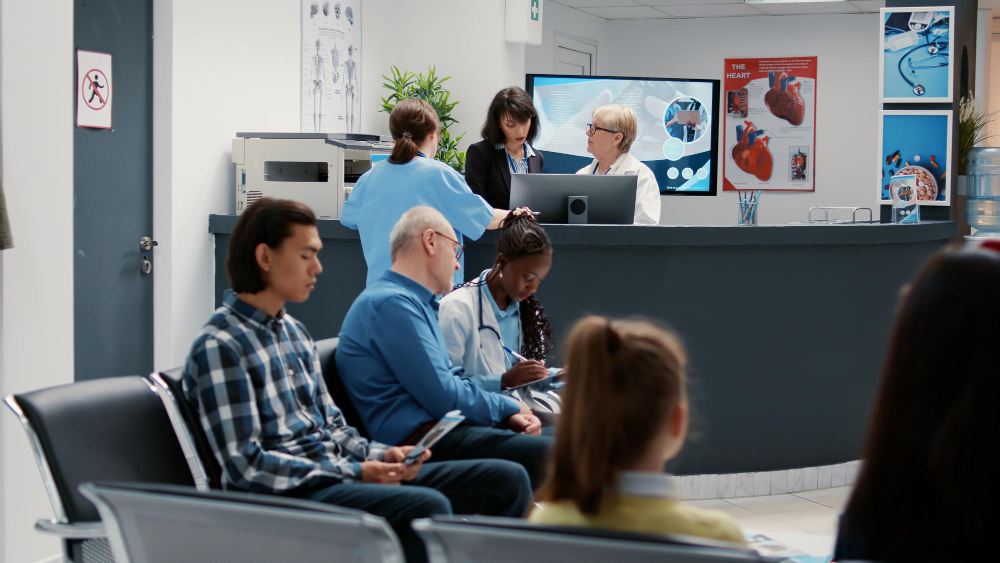
Real Photos Tend To Build More Trust Than Generic Imagery
Patients have become increasingly aware of templated healthcare websites.
Stock photography, heavily edited smiles, and generic corporate imagery can sometimes create emotional distance rather than reassurance.
Australian users discussing healthcare marketing online frequently describe highly polished websites as:
- “salesy”
- “fake”
- “corporate”
- “too commercial”
- “hard to trust”
In contrast, clinics using authentic team photography and realistic practice imagery often appear more approachable.
This does not mean websites should feel casual or unprofessional.
Instead, patients generally respond well to clinics that appear:
- transparent
- organised
- modern without feeling excessive
- clinically professional
- human
Real clinician visibility also helps patients feel more comfortable before attending their first appointment.
Seeing who may be involved in their care reduces uncertainty, particularly for anxious patients or those seeking ongoing treatment relationships.
Website Tone Influences Whether Patients Feel Pressured
The language used across a dental website significantly affects how patients interpret the clinic.
Some websites unintentionally create resistance through overly promotional wording.
This may include:
- exaggerated promises
- urgency-heavy phrasing
- aggressive cosmetic messaging
- excessive “perfect smile” language
- treatment-first positioning before understanding patient concerns
Patients seeking healthcare generally prefer balanced explanations over persuasive sales copy.
They often respond more positively when clinics explain:
- how assessments work
- what appointments involve
- why treatment may be recommended
- what patients can realistically expect
- how decisions are made collaboratively
This style of communication usually feels safer and more credible.
For practices reviewing broader positioning strategies, healthcare-focused content development often plays a role in creating educational messaging that supports patient trust without sounding promotional.
Navigation Problems Quietly Reduce Booking Intent
Patients typically expect healthcare websites to feel easy to navigate.
When users cannot quickly find:
- contact information
- treatment explanations
- clinician details
- location information
- booking pathways
- emergency appointment options
they often lose confidence in the overall organisation of the clinic itself.
This reaction may seem subtle, though it has a measurable impact on patient behaviour.
People frequently associate website clarity with operational competence.
If a website feels confusing or disorganised, patients may assume the clinic experience could feel similar.
This becomes even more important on mobile devices where frustration accumulates faster.
Navigation problems commonly include:
- too many menu layers
- cluttered service pages
- excessive pop-ups
- unclear call-to-action placement
- distracting homepage layouts
- inconsistent page structure
Dental clinics reviewing conversion issues sometimes discover that improving website usability produces stronger enquiry growth than increasing traffic alone.
Patients Look For Signs That The Clinic Understands Real Concerns
Dental websites often focus heavily on treatments while overlooking emotional context.
Patients, however, are frequently evaluating whether the clinic understands what visiting a dentist actually feels like.
This does not require emotional marketing language or exaggerated reassurance.
Instead, patients usually respond to websites that:
- explain procedures clearly
- avoid judgemental tone
- acknowledge uncertainty
- present information calmly
- answer practical concerns directly
Simple communication patterns can strongly influence whether patients feel comfortable progressing toward an appointment.
For example:
- explaining what happens during a first visit
- outlining treatment planning processes
- discussing options without pressure
- clarifying timelines realistically
This type of communication often feels more trustworthy than highly promotional messaging.
Mobile Experience Shapes First Impressions More Than Ever
Many patients encounter dental websites for the first time through mobile search.
This means the first interaction may happen:
- during a commute
- late at night
- while experiencing discomfort
- during work breaks
- after seeing a Google Maps listing
If the mobile experience feels difficult, users often leave quickly.
Common issues include:
- slow-loading pages
- oversized image sections
- unreadable text spacing
- difficult contact forms
- poorly optimised menus
- intrusive banners
Patients comparing several clinics rarely spend long troubleshooting a frustrating website.
Instead, they simply return to search results and move on to another provider.
This is one reason some Australian clinics combine search visibility work with broader website optimisation strategies for healthcare practices.
Online Reviews Influence Perception Before Patients Even Read Them
Patients do not only evaluate review scores.
They also assess how believable the reviews appear.
Perfect five-star profiles with repetitive wording can sometimes create skepticism rather than confidence.
Australian users discussing healthcare businesses online often describe concerns around:
- fake reviews
- overly scripted feedback
- reputation manipulation
- unrealistic patient experiences
Patients usually look for patterns that feel authentic.
This may include:
- balanced commentary
- detailed experiences
- mentions of communication quality
- consistency across platforms
- thoughtful clinic responses
Interestingly, moderate imperfections can sometimes strengthen credibility because they appear more realistic.
For dental clinics, reputation management is increasingly about authenticity rather than simply maximising ratings.
Patients Often Compare Communication Style Across Multiple Clinics
When someone searches for a dentist online, they rarely evaluate one clinic in isolation.
They compare tone and communication style across several websites simultaneously.
This comparison affects how patients interpret professionalism.
For example:
- one clinic may sound educational
- another may sound highly commercial
- another may feel impersonal
- another may appear rushed or outdated
Patients often gravitate toward clinics where the communication feels:
- calm
- structured
- transparent
- informative
- respectful
This is particularly relevant for practices offering cosmetic dentistry, implants, orthodontics, or long-term treatment planning where trust development matters significantly.
Clinics reviewing broader positioning sometimes reassess how their messaging aligns with patient expectations through areas such as dental marketing Australia.
What Patients Notice When Comparing Multiple Dental Websites
While every patient behaves differently, several recurring trust signals appear consistently during comparison behaviour.
Patients often pay attention to:
- whether clinicians are visible and approachable
- how treatment information is explained
- whether the website feels modern and maintained
- how easy booking appears
- whether the clinic feels transparent
- whether messaging sounds realistic
- how reviews are presented
- whether the practice feels rushed or patient-focused
Importantly, users do not always analyse these factors consciously.
The overall impression usually forms through accumulation of small details.
This is why some clinics with simpler websites still convert well while others with technically advanced designs struggle to build trust.
Why “Professional” And “Over-Marketed” Are Not The Same Thing
One of the more important distinctions in dental marketing is understanding the difference between professionalism and overproduction.
Patients generally appreciate:
- clean presentation
- organised structure
- clear explanations
- modern usability
- consistent branding
However, excessive polish can occasionally create emotional distance if the website no longer feels authentic.
This is particularly noticeable when:
- every image looks staged
- messaging sounds scripted
- treatment claims feel exaggerated
- urgency tactics dominate the site
- cosmetic outcomes are overemphasised
Patients seeking healthcare often respond better to credibility than persuasion.
The strongest-performing dental websites usually maintain a balance between:
- professionalism
- clarity
- warmth
- realism
- usability
- trust
Why Website Perception Matters More In Competitive Areas
In cities such as Sydney, Melbourne, Brisbane, and Perth, patients often have dozens of nearby dental clinics appearing in search results.
This increases comparison behaviour significantly.
A clinic may rank well while still losing potential patients to competitors that communicate more clearly or feel easier to trust.
This means modern dental marketing performance depends on more than technical SEO.
Successful clinics often combine:
- strong local visibility
- patient-focused messaging
- mobile usability
- authentic branding
- conversion optimisation
- educational content
- clear booking pathways
This broader integration is why many practices reassess how SEO, branding, and user experience work together rather than viewing them separately.
Clinics exploring sustainable patient growth strategies often begin with healthcare SEO services designed for dental practices alongside usability and trust analysis.
The First Impression Often Determines Whether Patients Continue
Patients do not need to complete a booking form to make a decision.
In many situations, the decision happens much earlier.
The website either reduces uncertainty or increases it.
Strong dental websites usually create a feeling that:
- communication will be clear
- appointments will feel organised
- clinicians will explain options properly
- the environment will feel professional
- patients will not feel pressured
These impressions influence whether users continue exploring the website, contact the clinic, or return to search results.
For Australian dental clinics, this means website perception is no longer separate from patient acquisition itself.
It is part of the clinical trust-building process from the very beginning.
Frequently Asked Questions
Why do patients leave dental websites quickly?
Patients may leave when websites feel confusing, overly promotional, difficult to navigate, or lacking clear trust signals. Mobile usability and communication tone also influence how comfortable people feel continuing.
Do professional photos improve dental website trust?
Authentic and well-presented clinic photography can help patients feel more familiar and comfortable with a practice. Generic stock images may sometimes feel less trustworthy.
What makes a dental website feel trustworthy?
Patients often respond positively to clear explanations, visible clinician information, balanced messaging, realistic expectations, and simple booking pathways.
Can website wording affect patient enquiries?
Yes. Overly aggressive or sales-focused wording may create hesitation. Educational and patient-focused communication usually supports stronger trust development.
Why is mobile optimisation important for dental clinics?
A large percentage of dental searches now happen on mobile devices. Poor mobile usability can reduce engagement and lead users to compare other clinics instead.

.svg)