%20(1).avif)
.avif)

.svg)
.svg)
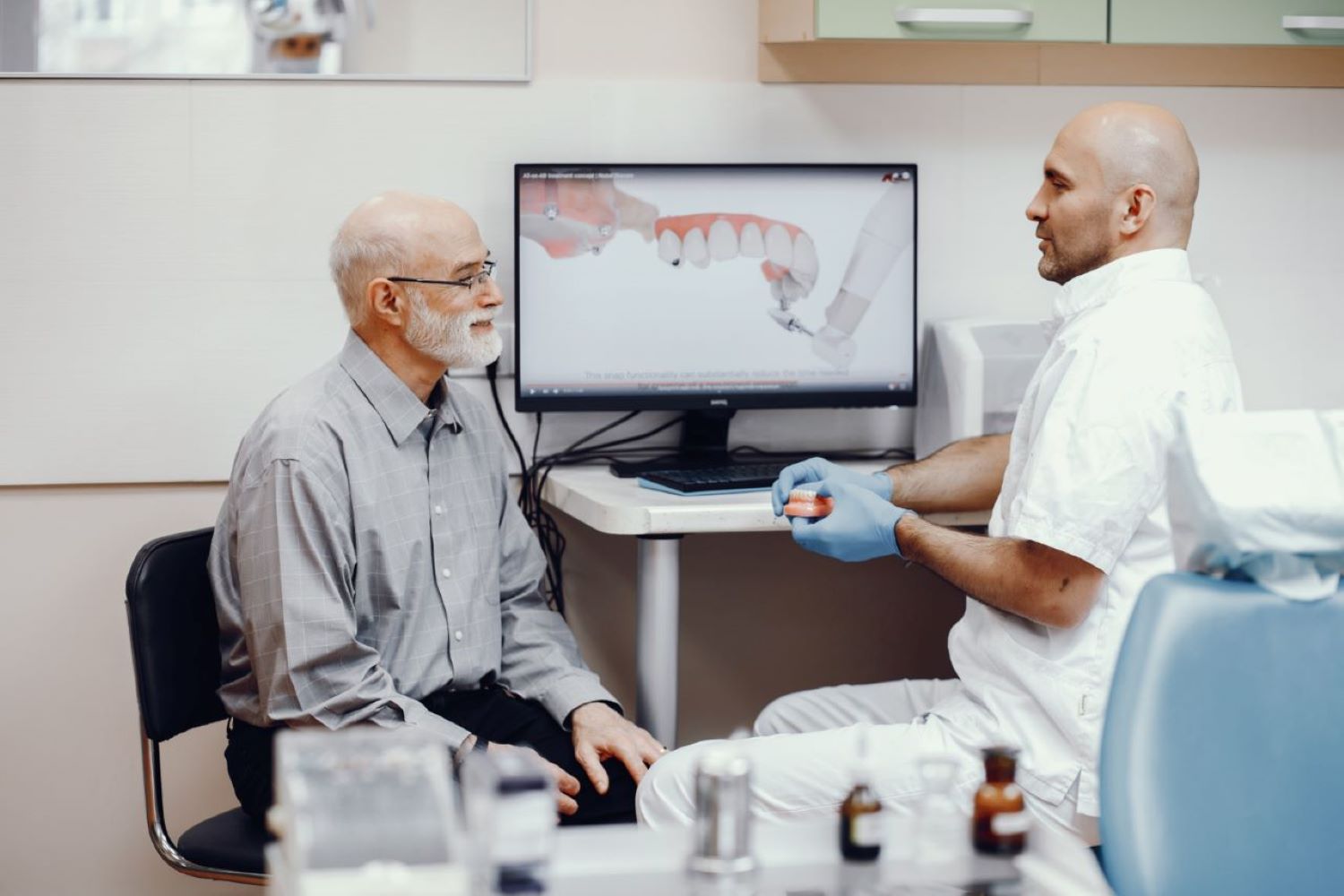
A patient considering dental implants is not just evaluating the result. They are trying to understand what they are committing to over time.
When that timeline is unclear, hesitation sets in. Not because the treatment is unwanted, but because the process feels unpredictable.
The Moment Patients Start Second-Guessing Implants
Interest in implants is often high at the beginning. Patients want a stable, long-term solution and are motivated to fix the problem properly.
The shift happens when they begin asking practical questions:
- How many visits are involved?
- How long does healing actually take?
- What happens between each stage?
If the answers are vague or simplified, patients begin to feel unprepared.
This uncertainty can delay decisions or push them to continue researching elsewhere.
Clinics that structure their content around patient progression, similar to dental and medical SEO strategies designed for complex treatment journeys, tend to reduce this uncertainty earlier.
Why “Simple Explanations” Often Backfire
Many implant pages try to make the process feel straightforward by compressing it into a short summary.
While this may seem helpful, it often removes the detail patients are actively looking for.
From a patient perspective, oversimplification can feel like:
- Important steps are being glossed over
- The complexity of the procedure is being downplayed
- The full commitment is not being clearly explained
This creates a gap between expectation and reality.
Patients would rather understand the full journey than be reassured with minimal detail.
What Patients Actually Want to Know About the Timeline
Patients are not expecting clinical depth, but they do want clarity around how the process unfolds.
Key concerns typically include:
- Whether the treatment happens in one phase or multiple stages
- How long each stage takes, including healing periods
- What the experience feels like between appointments
- When the final result will be fully functional
Without this information, the treatment feels open-ended.
That uncertainty is often enough to delay booking.
The Hidden Impact of Healing and Waiting Periods
One of the most misunderstood aspects of implants is the time between stages.
Patients are often surprised by:
- The need for healing before the next step can proceed
- The possibility of additional procedures such as bone support
- The variation in timelines depending on individual cases
When this is not explained early, it creates friction later.
Patients may feel that the process is longer or more involved than expected, even if it is clinically appropriate.
Why “It Feels Like a Real Tooth” Is Not Enough
Many implant pages highlight the end result, often describing how the implant feels natural or functions like a real tooth.
While this is important, it does not address the journey required to reach that outcome.
Patients need to understand:
- What happens before that final stage
- How stability is achieved over time
- What role healing plays in long-term success
Focusing only on the outcome leaves a gap in understanding that can lead to hesitation.
How Unclear Timelines Create Decision Paralysis
When patients cannot visualise the full process, they often delay.
This hesitation appears as:
- Repeated research across multiple clinics
- Questions about whether treatment can be completed faster
- Consideration of alternative options, even if less suitable
From a marketing perspective, this represents high-intent patients who are not receiving enough clarity to proceed.
Clinics that refine their messaging approach, similar to insights shared in how dental practices can maximise patient numbers through clearer communication, often identify this gap as a key reason for lost enquiries.
Making the Implant Journey Easier to Understand
Patients respond well when the process is broken into clear, understandable stages.
This may include:
- Initial assessment and planning
- Placement of the implant
- Healing and integration period
- Final restoration
Each stage should be explained in terms patients can relate to, including what they might experience and how long it typically takes.
This transforms the timeline from an unknown into a structured pathway.
Why Transparency Around Recovery Builds Confidence
Recovery is another area where patients often feel uncertain.
Common concerns include:
- How uncomfortable the process will be
- How long it will take to return to normal function
- Whether additional follow-up visits are required
Avoiding these topics does not reduce concern. It increases it.
Providing balanced, realistic explanations helps patients feel prepared rather than surprised.
This approach aligns with broader strategies seen in healthcare marketing systems that prioritise patient education over promotion, where clarity improves trust and engagement.
The Importance of Ongoing Care in Implant Decisions
Patients often think about the procedure itself but not the long-term maintenance.
Questions that arise include:
- How the implant should be cared for daily
- Whether regular follow-ups are necessary
- What happens if issues arise in the future
When these aspects are explained early, patients feel more confident in the long-term reliability of the treatment.
Why Patients Value Local Follow-Up and Continuity
Another recurring concern is where care will take place over time.
Patients want reassurance that:
- Follow-up appointments are accessible
- Adjustments can be made if needed
- They are not left without support after the procedure
This is particularly relevant for treatments involving multiple stages.
Clinics that communicate continuity of care clearly tend to reduce hesitation.
Turning Timeline Clarity Into a Competitive Advantage
Most clinics provide some level of explanation, but few present the full journey in a way that feels easy to understand.
Clear timeline communication can become a differentiator by:
- Reducing uncertainty at the decision stage
- Setting realistic expectations early
- Positioning the clinic as transparent and patient-focused
This aligns with services like implant patient acquisition strategies designed for dental clinics, where clarity helps attract more qualified enquiries.
FAQs About Dental Implants Marketing
Why do patients hesitate before booking dental implants?
Uncertainty around the treatment timeline, healing process, and number of visits often leads to hesitation. Patients want to understand the full commitment before proceeding.
How detailed should implant timeline explanations be?
Patients benefit from clear, structured explanations of each stage, including what happens and how long it typically takes. Overly simplified summaries can reduce trust.
Do patients expect implants to be completed quickly?
Many patients initially assume a shorter process. When they learn about healing phases and multiple visits, they may need reassurance and clearer guidance.
Why is recovery an important part of implant marketing?
Recovery affects patient expectations and overall experience. Addressing it openly helps patients feel prepared and reduces uncertainty.
What helps patients feel confident about proceeding with implants?
Understanding the full journey, including planning, treatment, healing, and aftercare, allows patients to make informed decisions with greater confidence.
When Patients Understand the Journey, They Are More Likely to Commit
Patients considering dental implants are not avoiding treatment.
They are trying to understand what the process involves.
When the timeline is clearly explained, the journey becomes easier to visualise. This reduces hesitation and allows patients to move forward with greater confidence.
For clinics looking to align their messaging with how patients evaluate complex treatments, exploring broader approaches to healthcare-focused digital growth strategies can help bring these elements together into a cohesive system.

.svg)

